Amanda Kaminsky
University of Michigan
Why don’t Americans eat more goat meat? I initially started pondering this question after I returned from my first stint of ethnographic fieldwork in Kenya in 2016. I had just spent three months discovering how delicious goat meat could be, whether stewed in a spiced pilau or barbecued and served with a simple side of salt and chili peppers. Goat meat was on almost every menu in Nairobi, second only to beef in ubiquity and popularity among Kenyans.
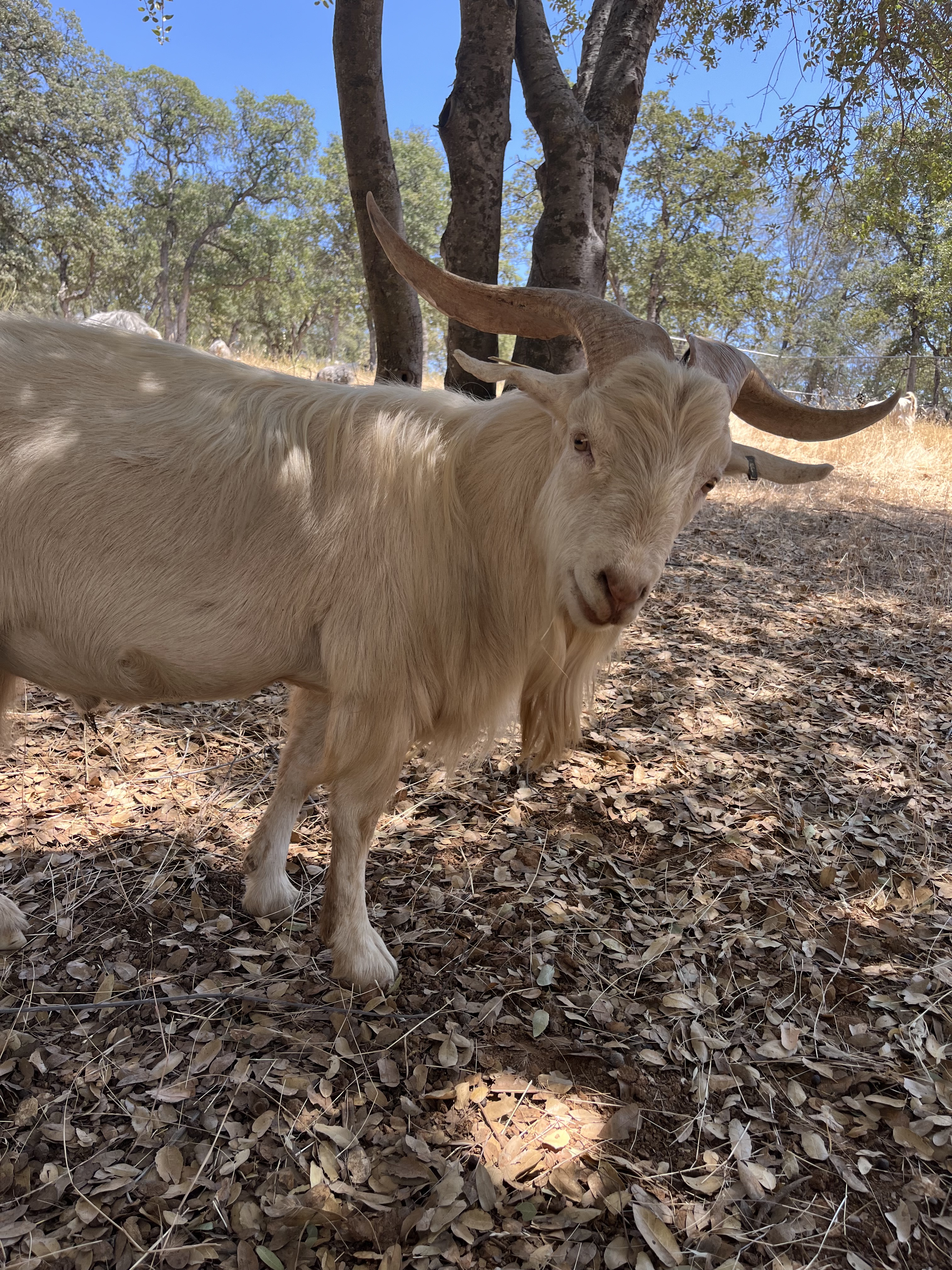
Growing up in Vermont, I never ate goat meat. Neither did my parents, nor any of my friends. It was unavailable in grocery stores, or even in specialty meat markets. When I found myself home in Vermont during the pandemic, prevented from traveling back to Kenya for my dissertation research on Chinese foodways in Nairobi, I began digging deeper into why Americans don’t eat more goat meat. Eventually, my digging resulted in an article published in Anthropological Quarterly in 2025 titled “Artisanal Slaughter: The Multicultural Ethics of Goat Meat in Vermont.”
As I began researching the goat industry, I quickly realized that my initial question had been mistaken. Plenty of Americans do eat goat meat. In fact, ever since about 1990, the United States has been a net importer of goat meat. Most goat meat in the United States is imported from Australia, as well as New Zealand and other countries. The consumption of this meat, meanwhile, primarily takes place within so-called “ethnic” communities with culinary traditions rooted in Asia, Africa, the Middle East, the Caribbean, and Latin America. Perhaps because of this marginalized status, as well as a variety of infrastructural, economic, and cultural reasons that I explore in the paper, an industrial meat processing system for goats has never developed in the United States like it has for beef, pork, poultry, and even sheep. All of this explained why I never encountered goat meat growing up in Vermont, the whitest state in the nation.
Nevertheless, as I dug deeper, I met people who regularly consume goat meat in Vermont. My investigations revealed a surprising convergence between two very different categories of consumers. First were the small communities—primarily in the Burlington area—with culinary traditions that embrace goat meat. These include resettled refugee families from countries like Bhutan, Somalia, and Sudan, as well as immigrants and seasonal farmworkers from Latin American and Caribbean countries. The second category of consumers were majority white homesteaders, small farmers, and locavores. As inheritors of Vermont’s back-to-the-land movement of the 1960s and 70s, these consumers ate goat meat not for its taste or culinary distinctiveness, but as a sustainable by-product to the raising of goats for other purposes such as milk, fiber, vegetation control, and hobby breeding.
Despite different cultural and religious backgrounds, both categories of consumers found themselves alienated from the mainstream food system in similar ways. Both categories avoided frozen imported goat meat whenever possible; whether for ethical, ideological, ritual, or aesthetic reasons, fresh was always preferred. Furthermore, both categories abhorred waste, preferring to have access to the whole carcass including its organs, bones, and hides. These preferences required prospective consumers to look beyond the shelves of the grocery store to find what they were looking for. Sometimes that meant driving out of state to find halal butcheries and ethnic markets. Sometimes it meant buying an animal directly from a farmer, whether through Vermont’s uniquely permissive on-farm slaughter rules or through informal means. As I explore in the paper, these extraordinary lengths that people are willing to traverse elevates the slaughter of a goat from a routinized mechanical process to an artisanal product in and of itself.
The alternative food movement in the United States has often been criticized for its racial and class exclusivity. My research on goat meat, however, allows us to glimpse a different kind of alternative food movement, one that embraces and thrives on cultural diversity. I met white goat farmers who allow Muslim clients to slaughter goats themselves on the farm to celebrate important events like the birth of a child. I spoke with a Bhutanese goat farmer working with local environmental NGOs to supply goats to Burlington’s refugee communities. I interviewed an Indian business owner who buys a whole goat every year with his family from the same Vermont farmer, and has built strong community connections in the process. All of these stories help us imagine more sustainable, decentralized, and inclusive ways to eat meat in the 21st century.

 FoodAnthropology
This is really interesting work! Thanks for sharing