We are happy to announce that Caroline Stahley, a graduate student in the Applied Anthropology program of the University of South Florida, has taken second place in this year’s SAFN Anthropology Day Photo contest. You can view the two first place winners work (and all the previous winners) here.
Caroline’s master’s thesis is entitled “Seed Sovereignty And Agrarian Decision Making In Southeastern Kenya” and will be presented at the annual conference of the Society for Applied Anthropology (in Albuquerque, starting today!). The photos below are from her research trip between May and June of 2025. She notes that “They feature seed saving methods and foods that reflect Kamba heritage as well as the incredible diversity of agricultural resources and an innovative spirit that is representative of smallholder farmers.”
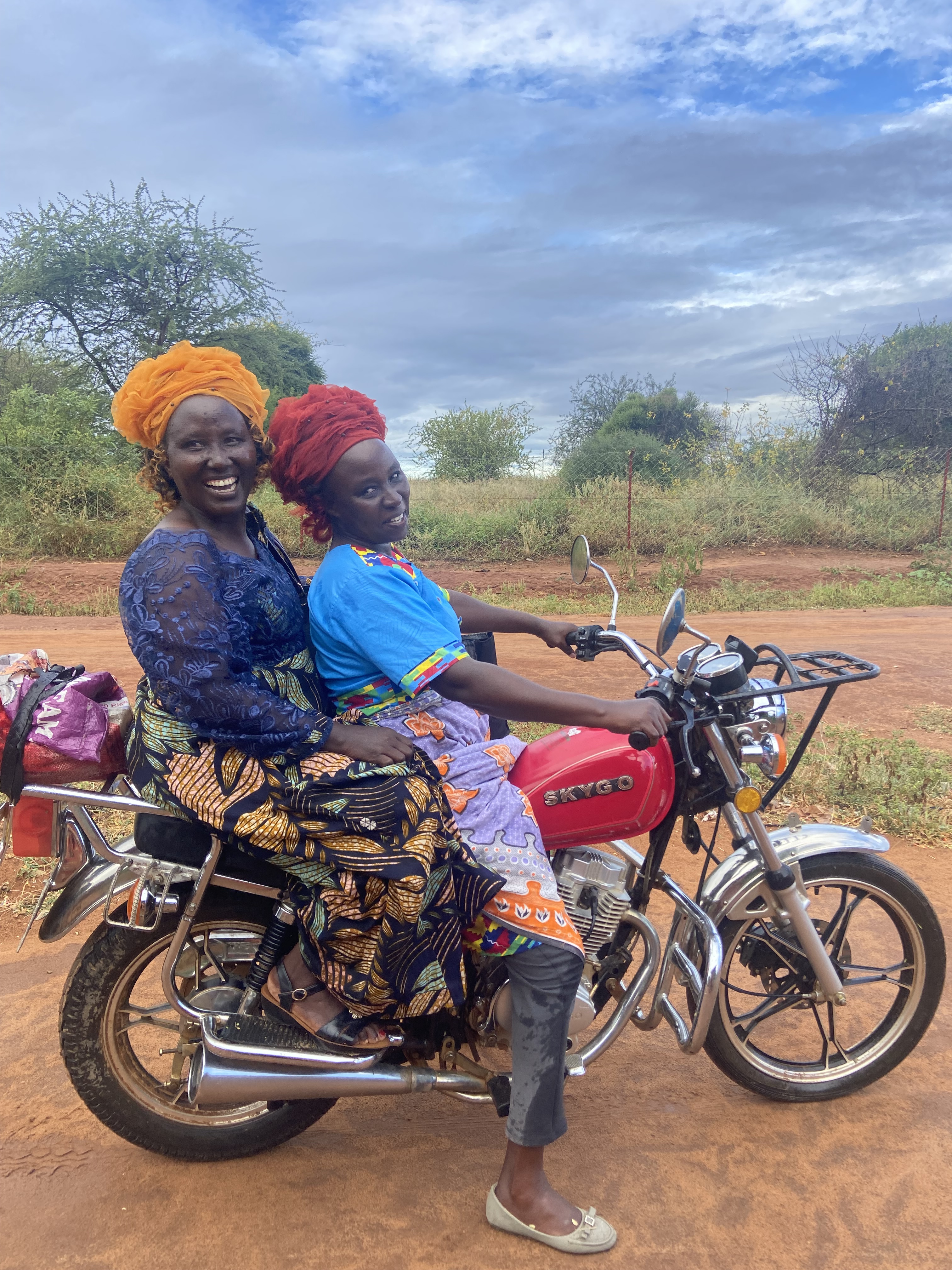
The judges were impressed by the way all the photos come together to tell a story. They remarked on the framing and colors as well as the consistent inclusion of people—especially through hands and, of course, the two smiling friends on a motorbike at the end.
The photos below have been sized to fit this page. In most cases, if you click on the photo, you can see a larger version. All photos are by Caroline Stahley.
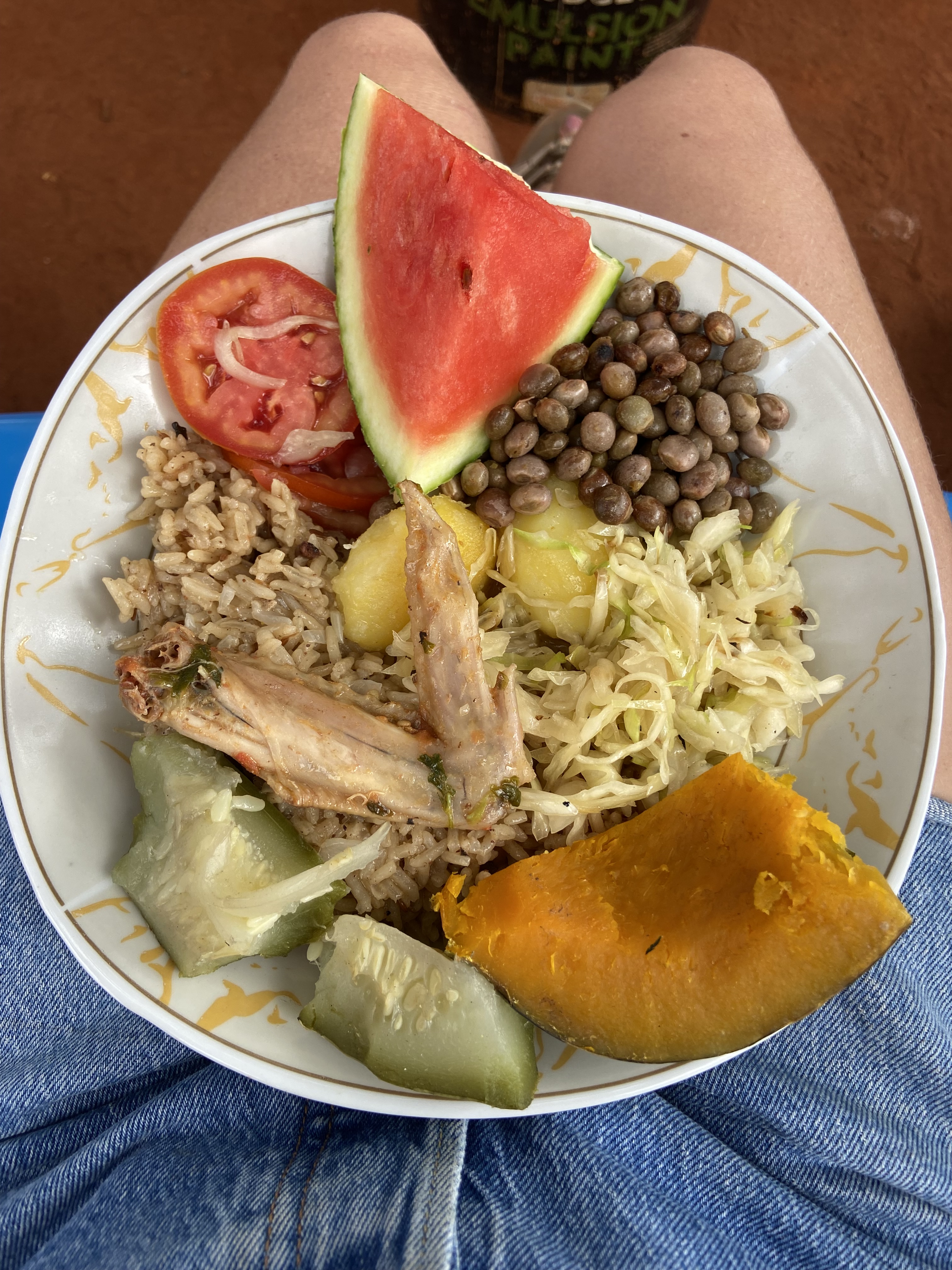
A home-cooked meal featuring culturally significant foods, such as pigeon peas (nzuu), pumpkin (malenge), and a rice dish called pilau.
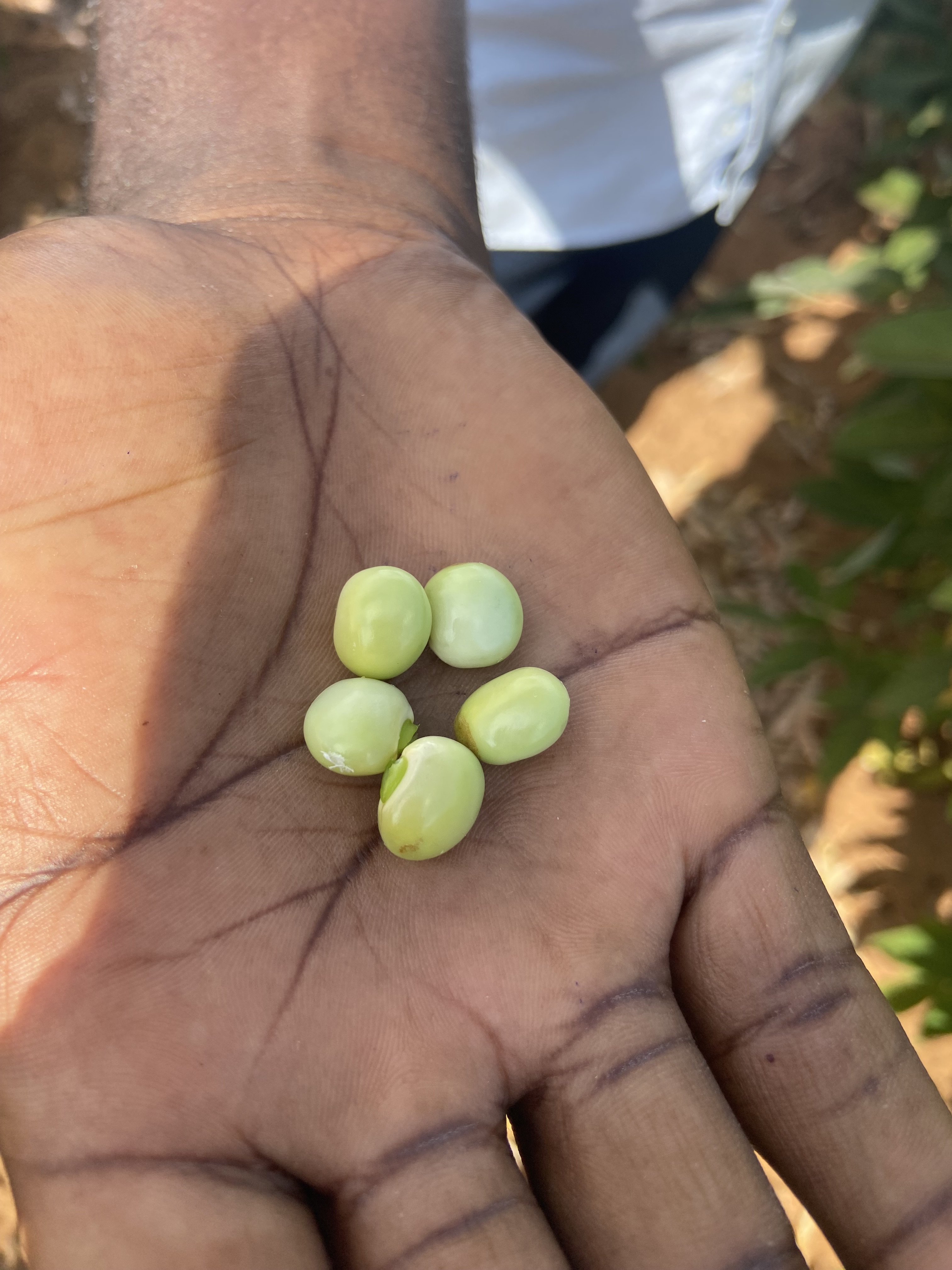
Fava beans
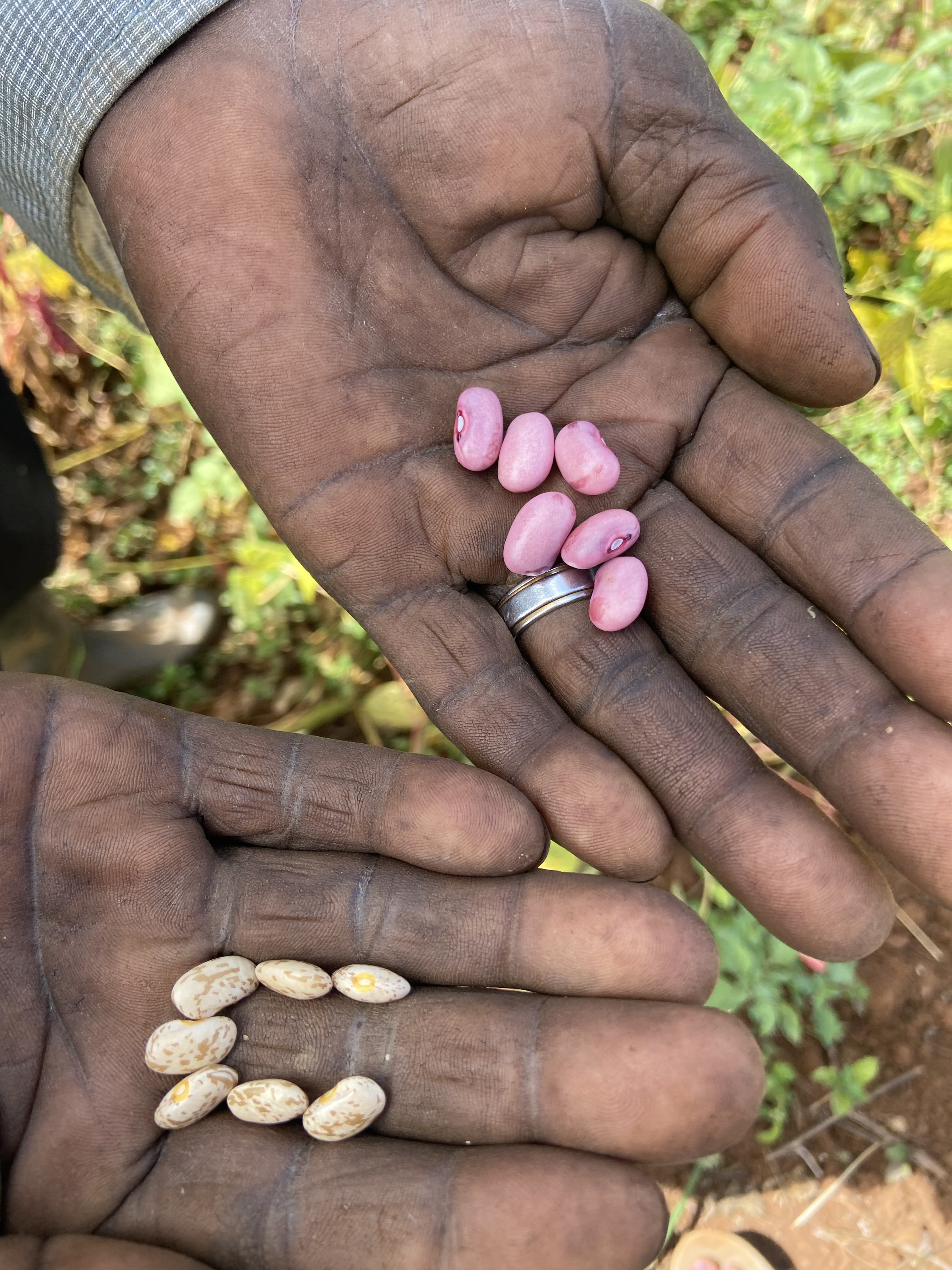
Pinto beans and sword beans
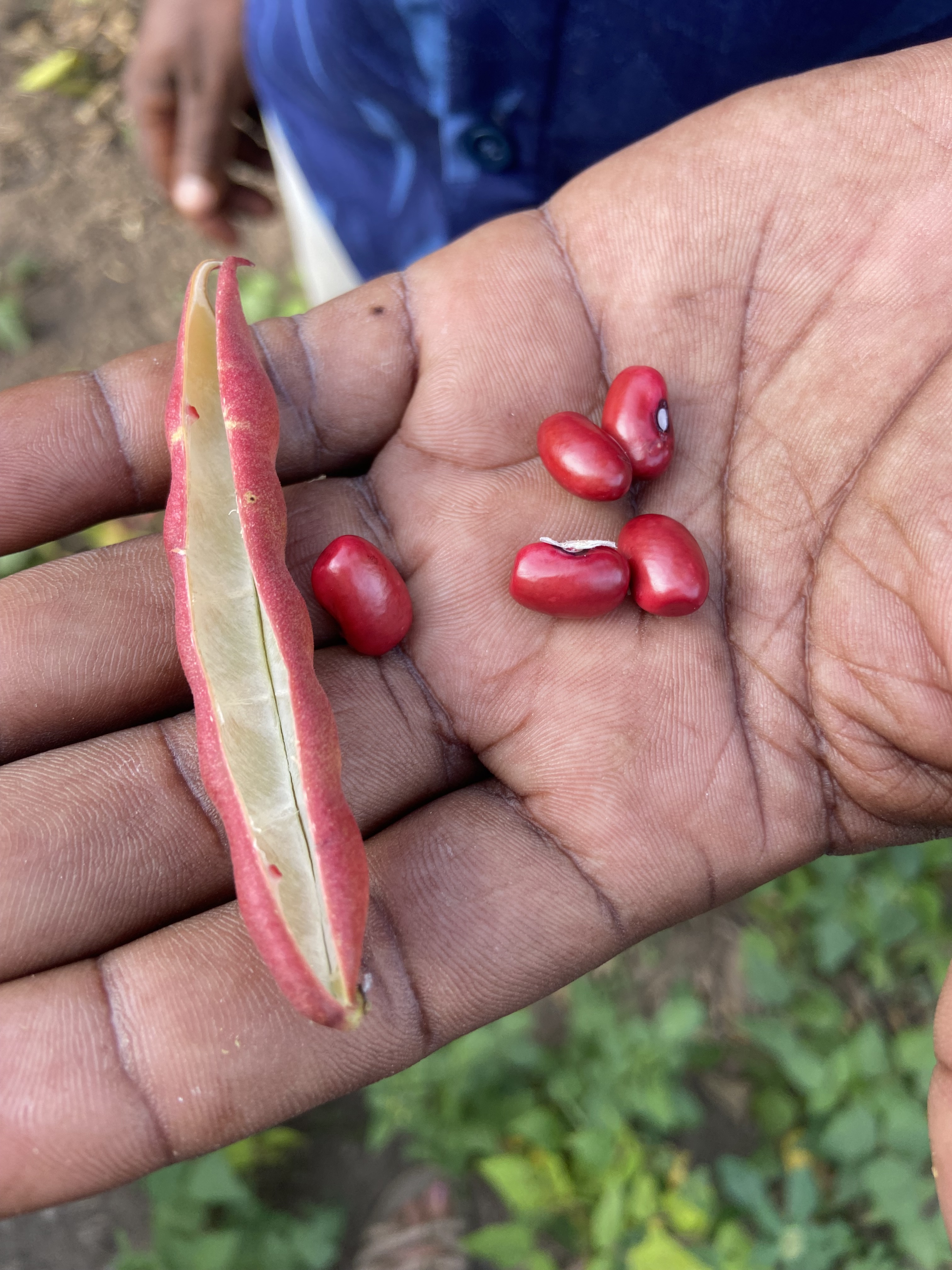
Hidatsa red beans, which actually originate from the Hidatsa tribe of North Dakota.
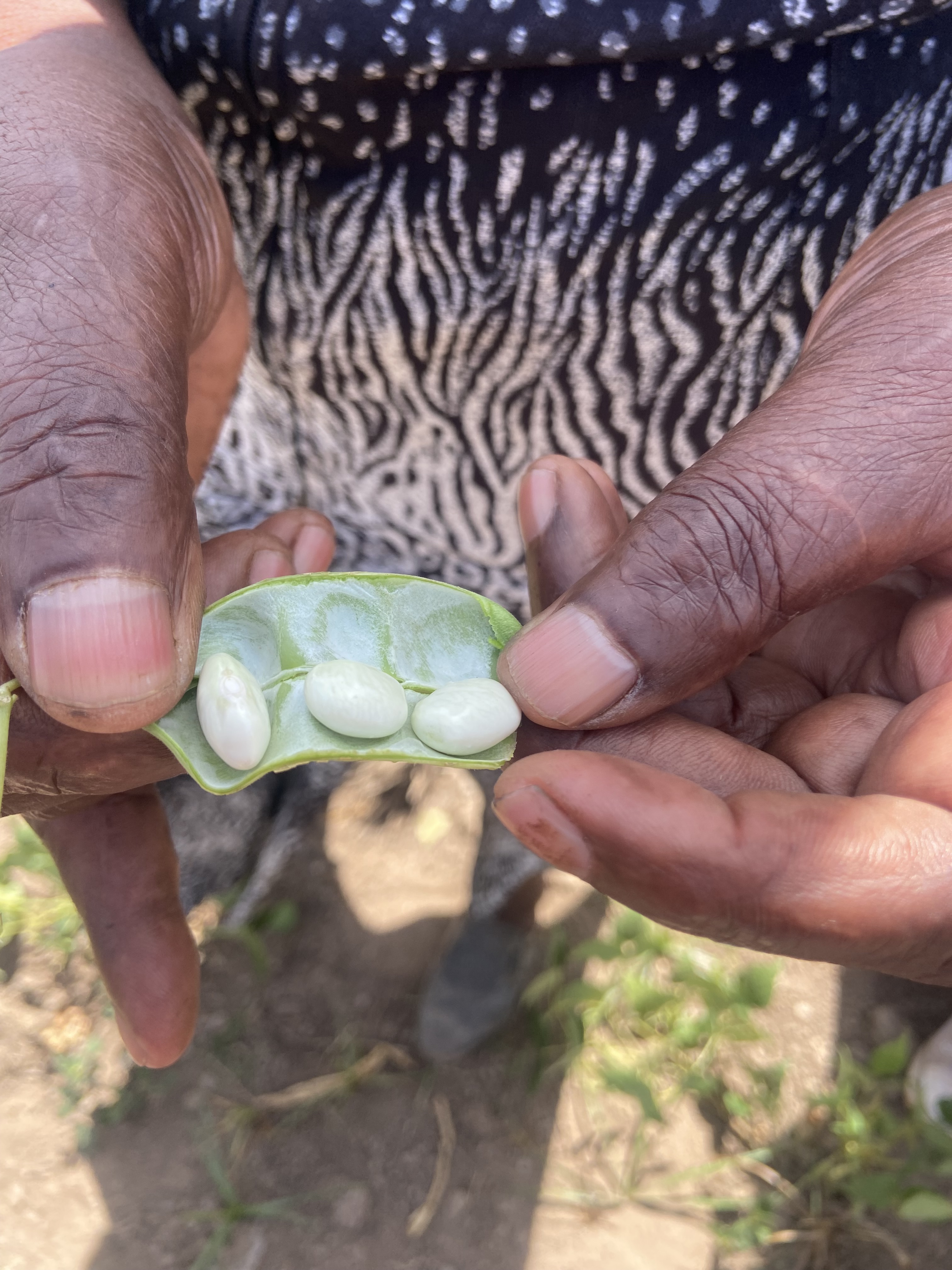
Lima beans
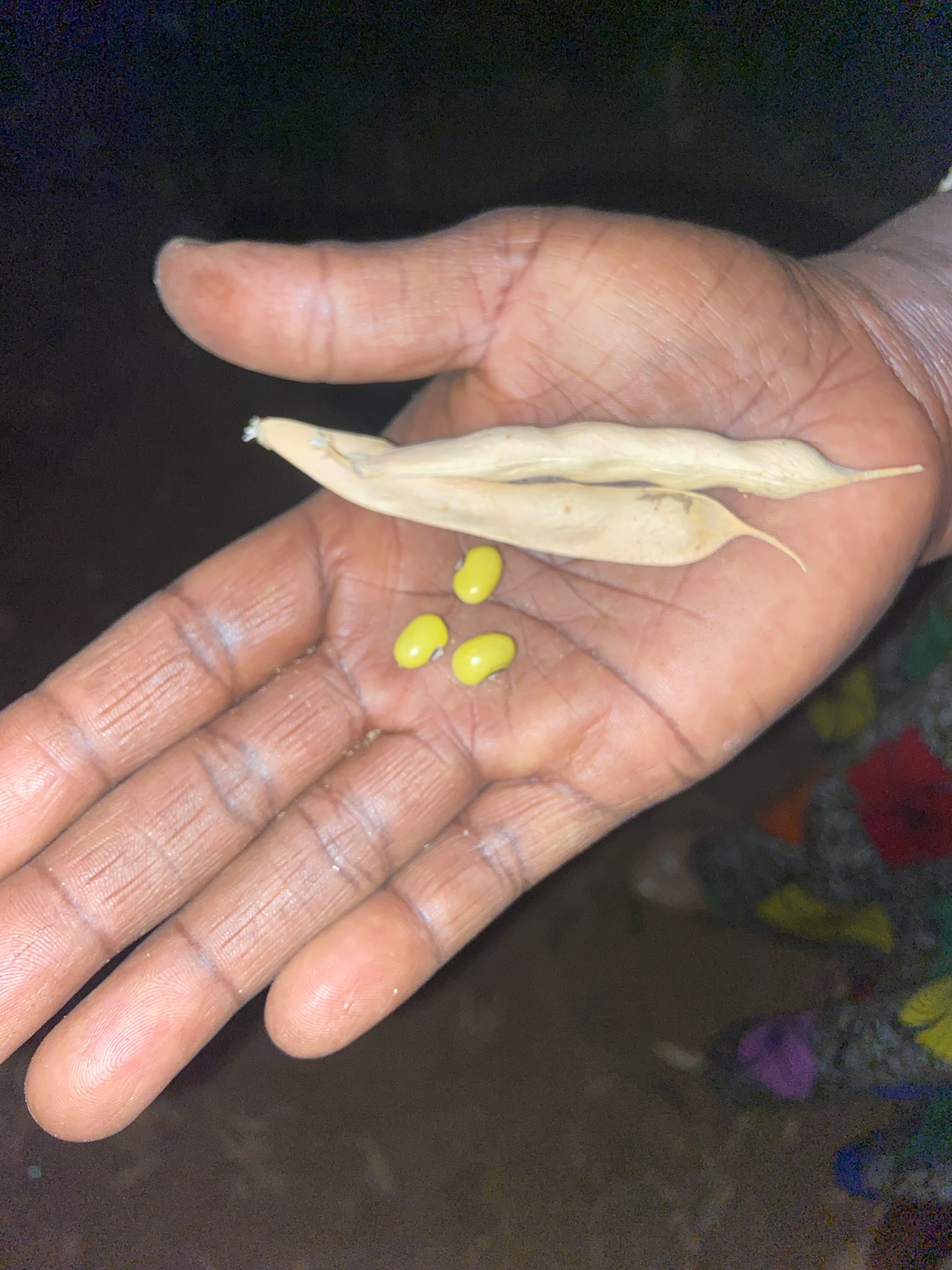
Mung bean, called green grams in Kenya.
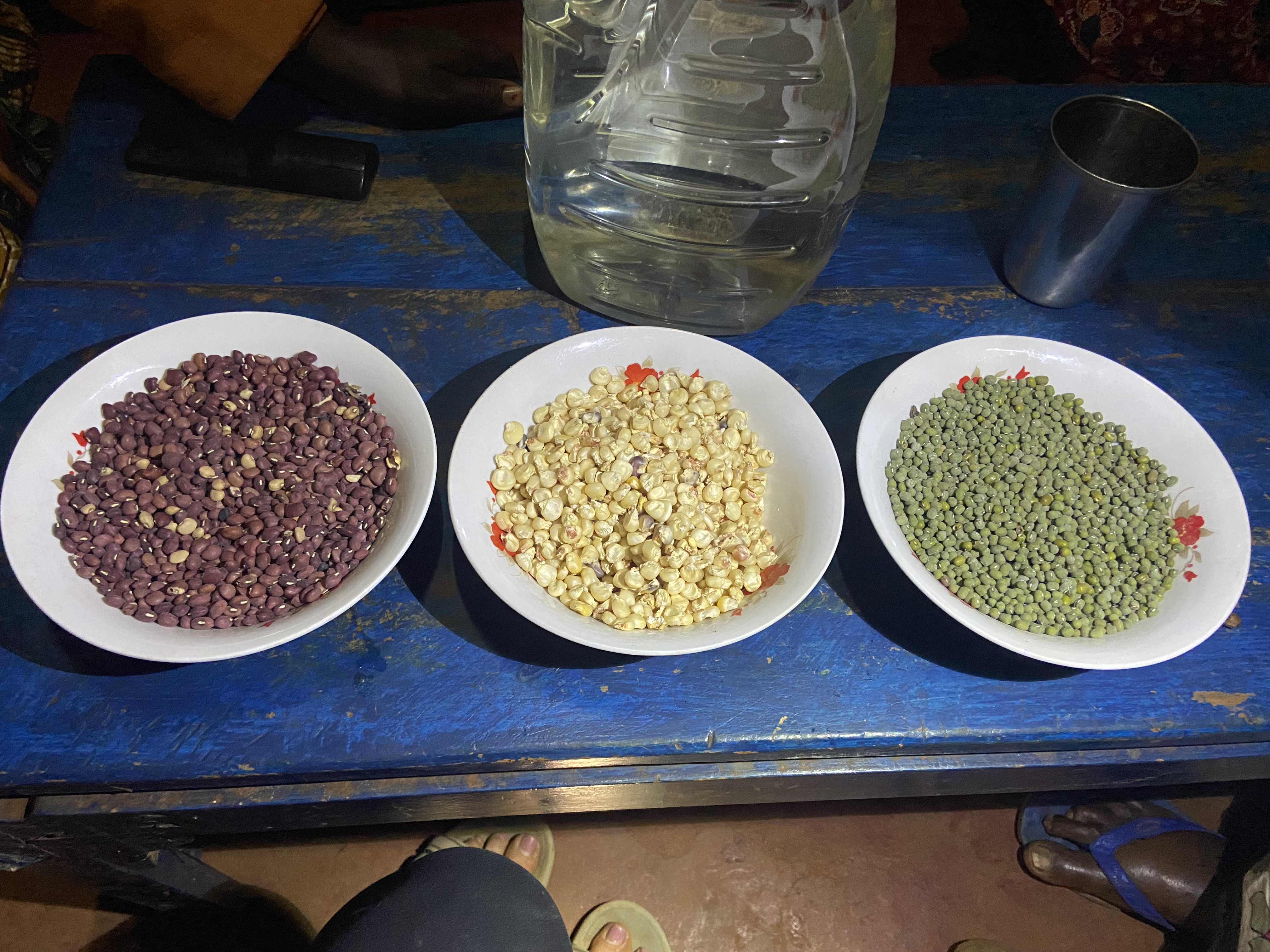
A variety of dried legumes and maize.
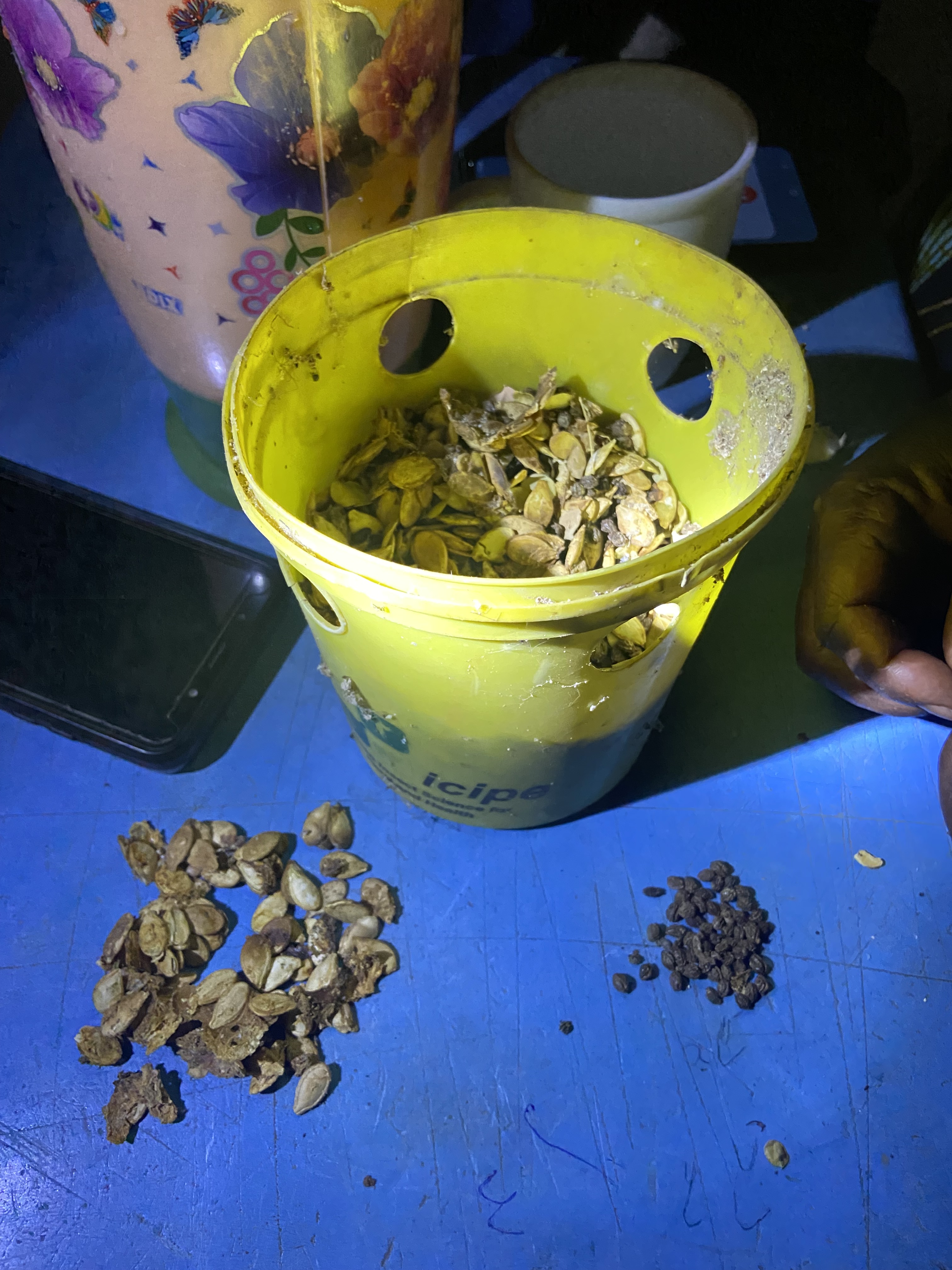
Women sorting saved papaya and pumpkin seeds, picking out the dry seeds, or those unsuitable for replanting, from the wet seeds, or those suitable for replanting.
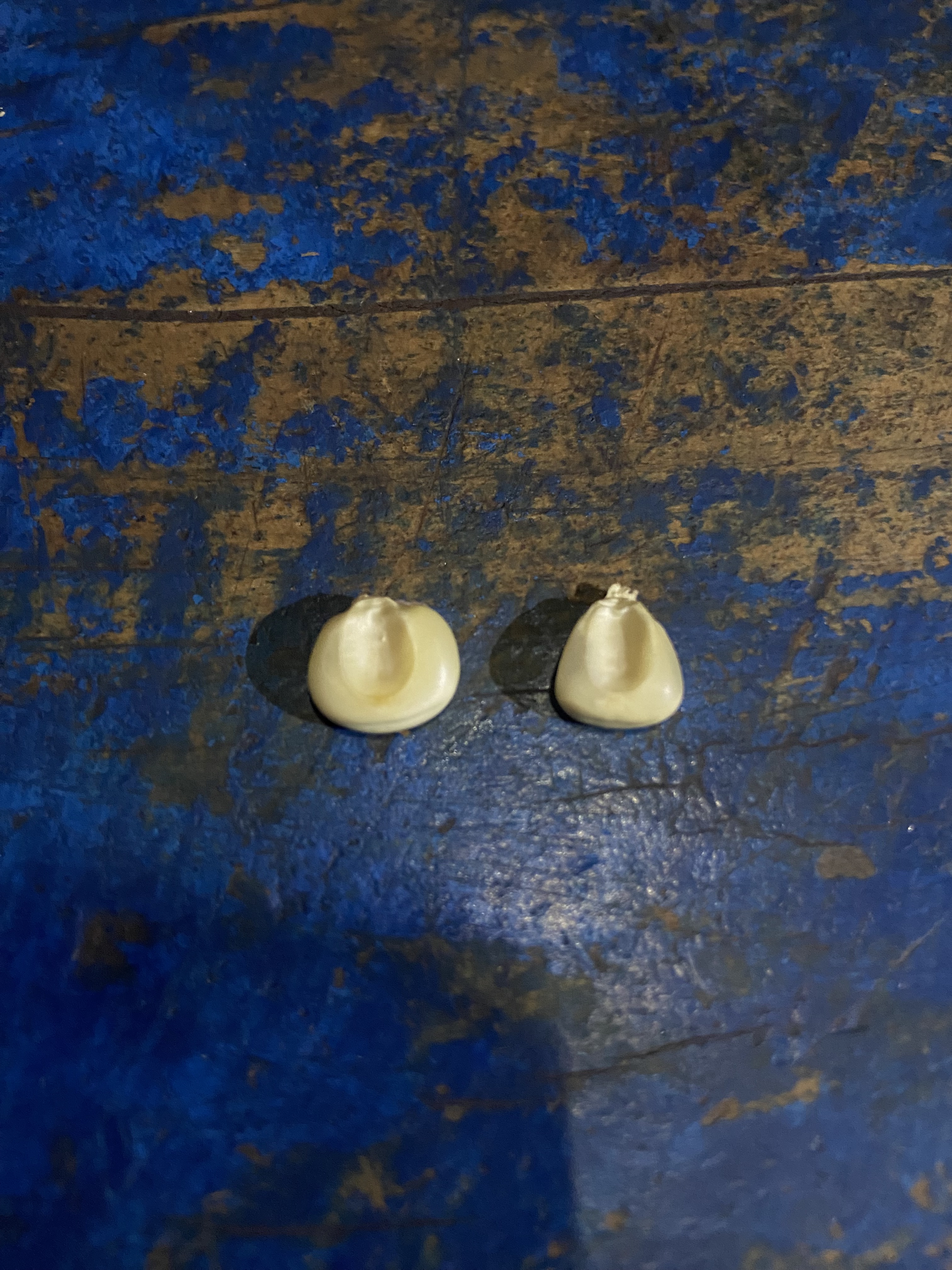
Comparison of an Indigenous or landrace variety of maize (left) to a commercial hybrid variety (right).
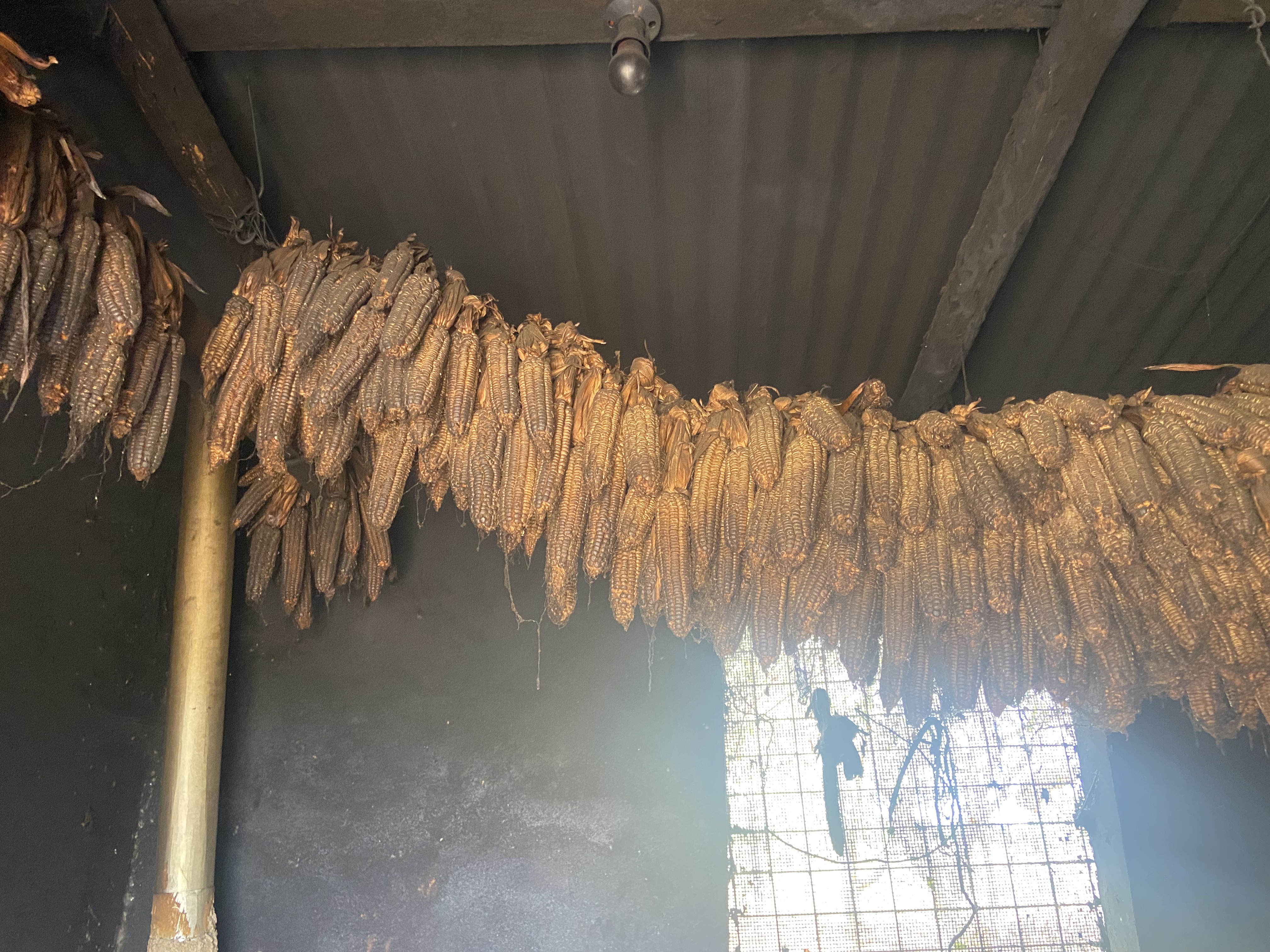
Maize is typically dried over a low-burning fire before the kernels are extracted either for milling or replanting.
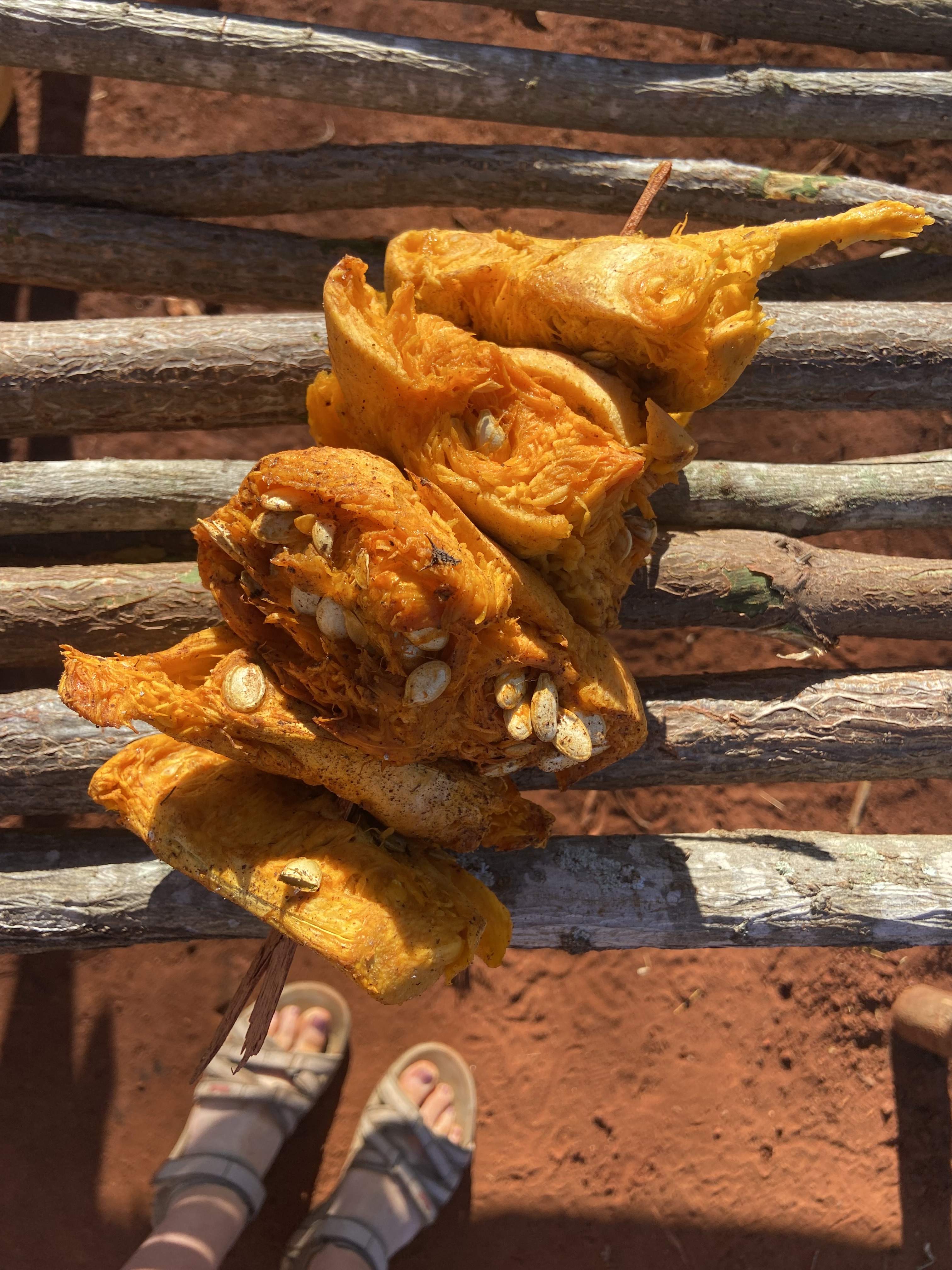
Fire is especially useful for things like pumpkin because the heat will shrivel the flesh, meaning farmers don’t have to dig through goop to extract the seeds. Skewers like this are one way to do it.
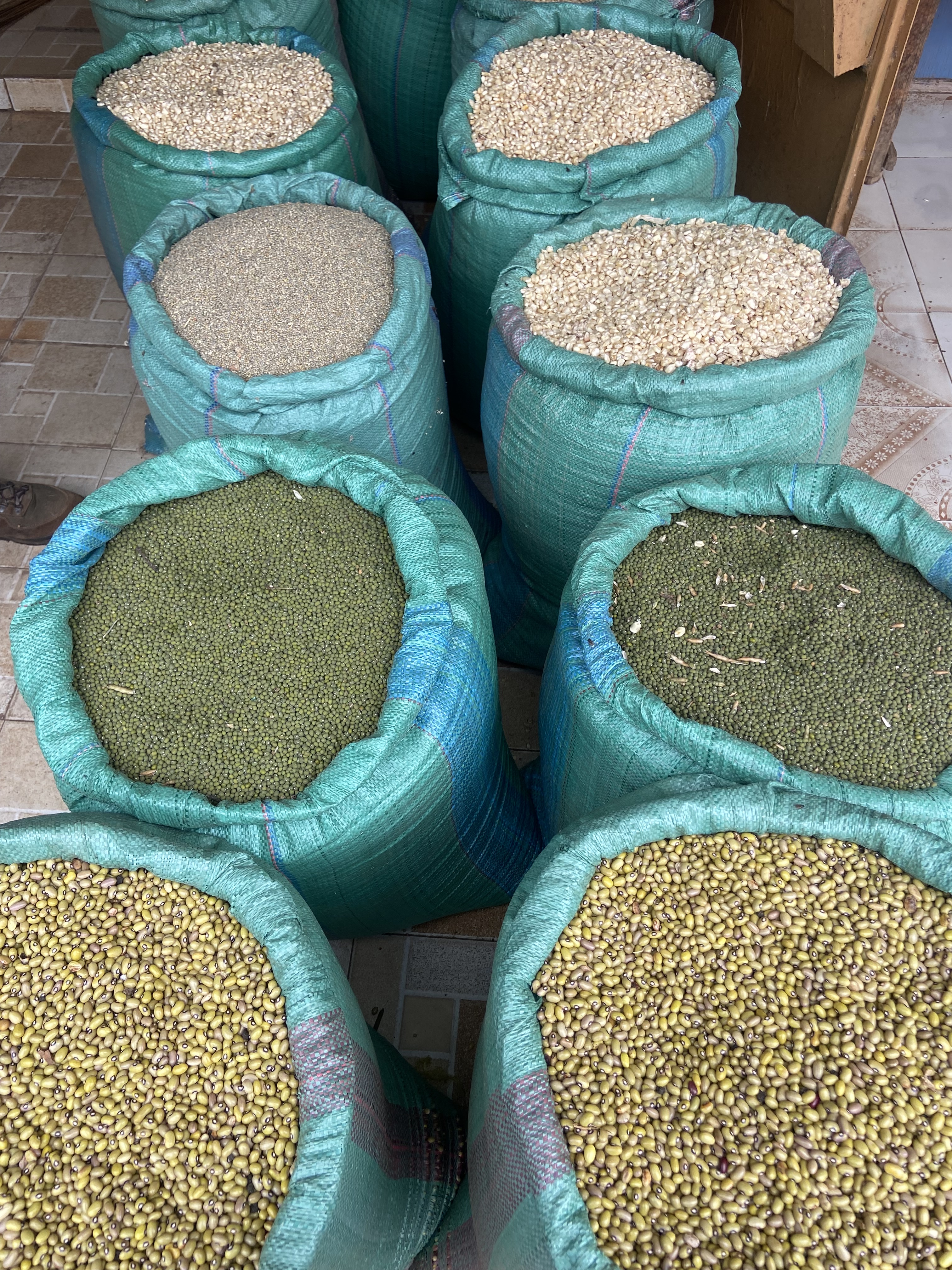
Bulk bags of dry grains and legumes at the market.
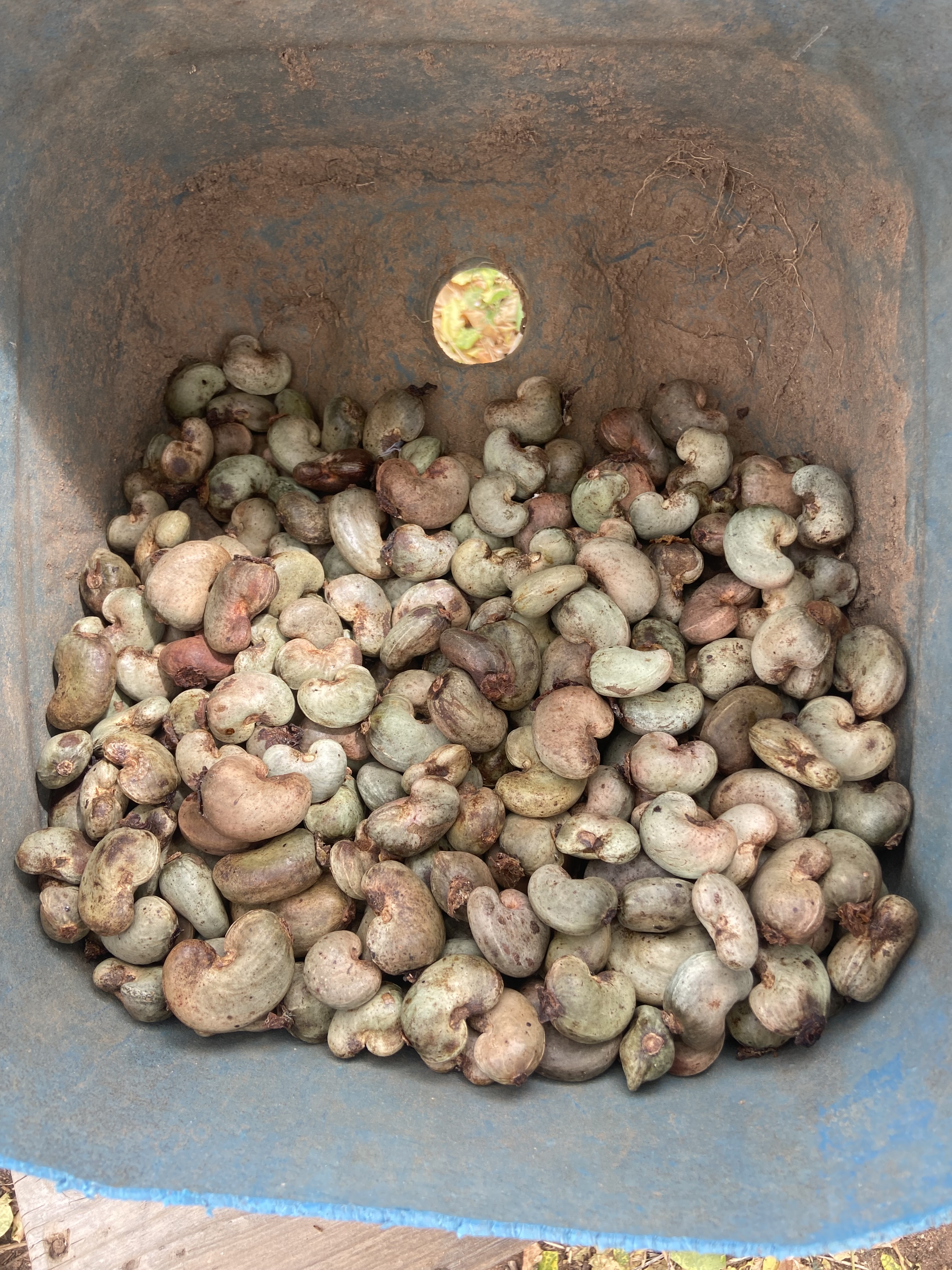
You have to wear gloves when handling raw cashews as they have a caustic shell, and they need to be roasted before they’re safe for consumption.
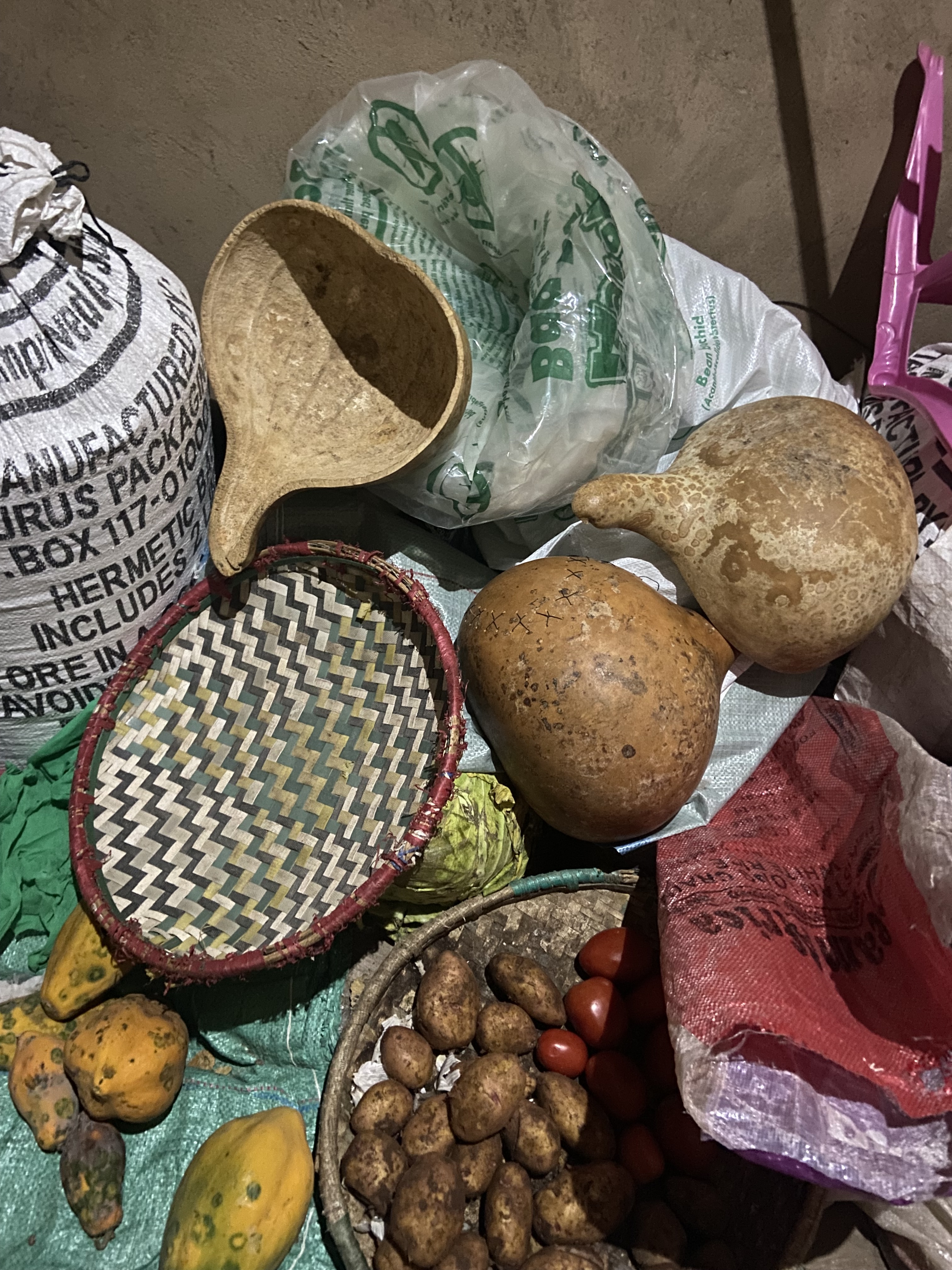
A mix of traditional and modern tools for storage, cooking, and agricultural practices.
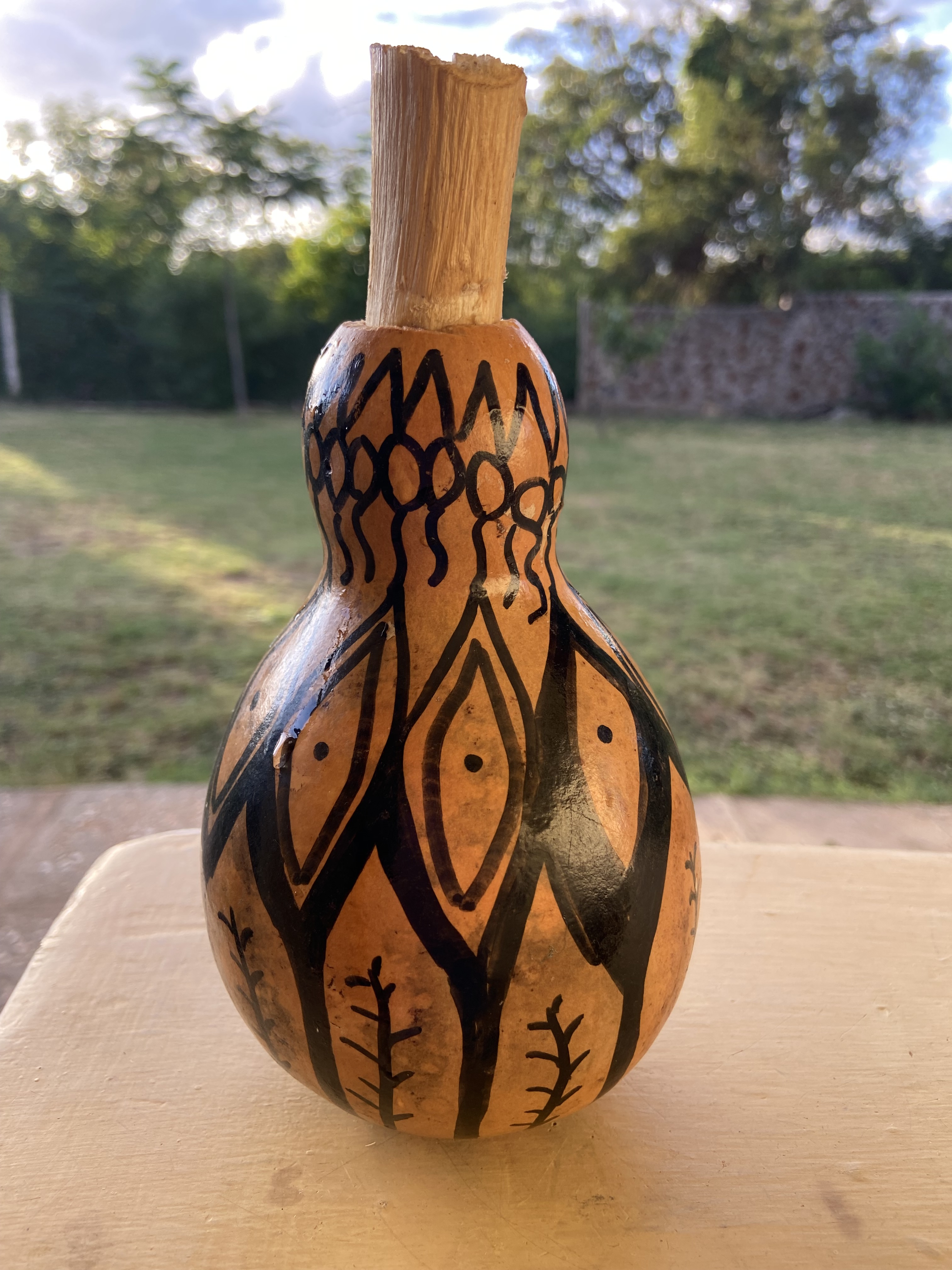
Gourds are culturally significant in Kenya, especially for Kamba families. This is a decorated drinking gourd, a popular roadside souvenir.
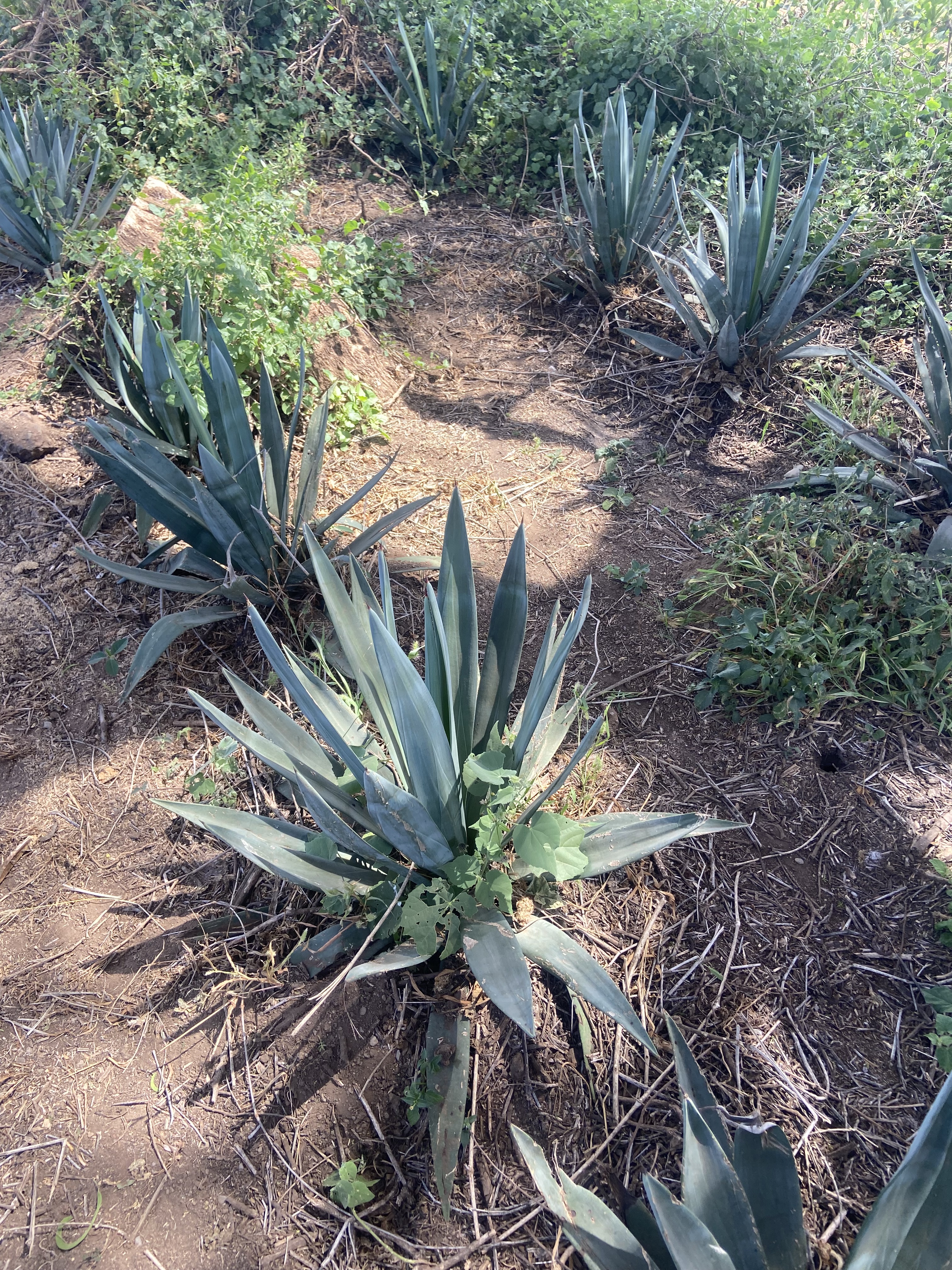
Sisal plants are a drought-tolerant plant and an extra source of income for women who harvest the fibers to weave baskets.
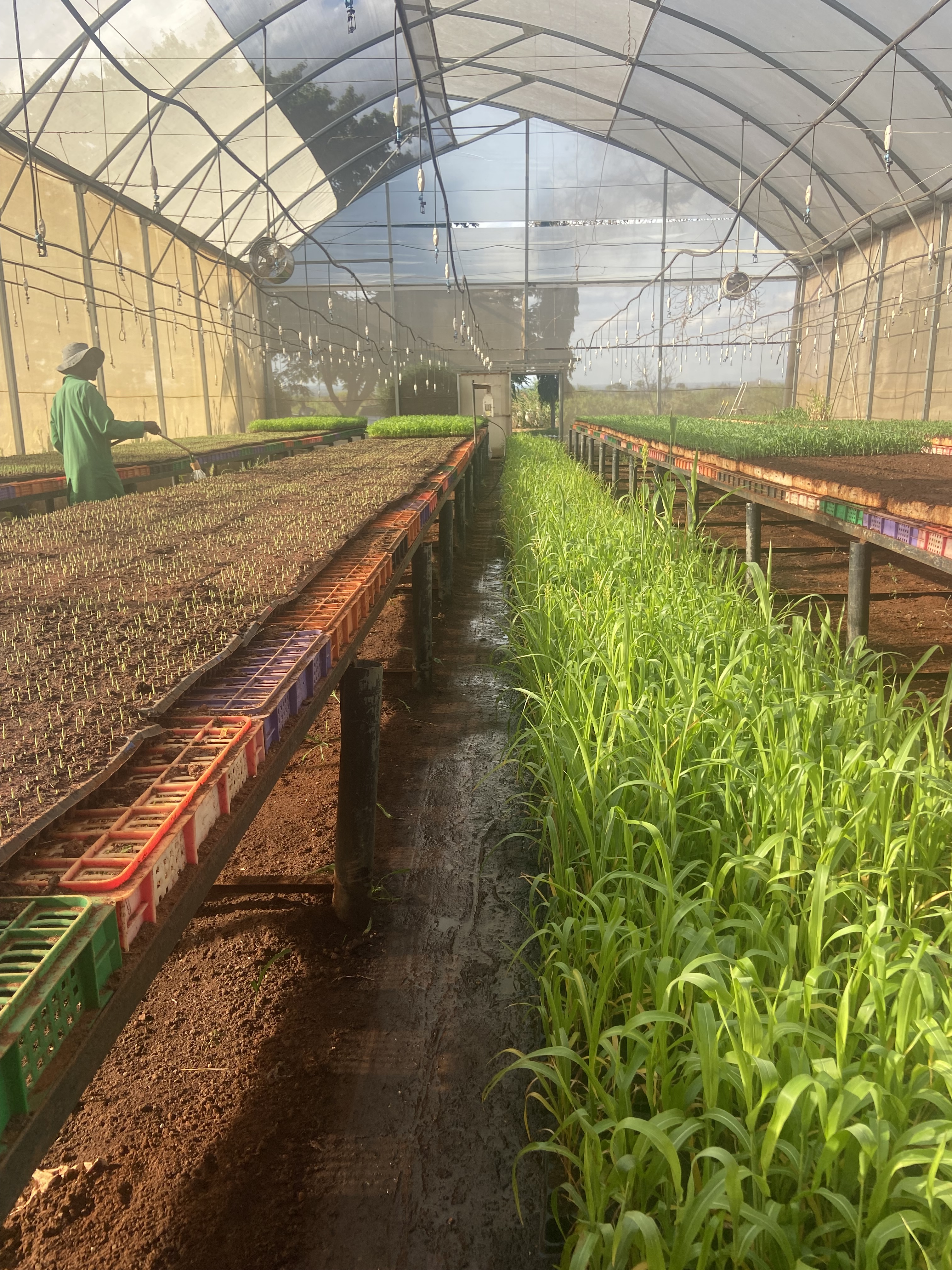
Improve varieties of soy and maize being tested at a government-run field lab.
A couple of friends, Damaris and Dorcas, who showed me around the community and their homesteads.

 FoodAnthropology